1.Introduction
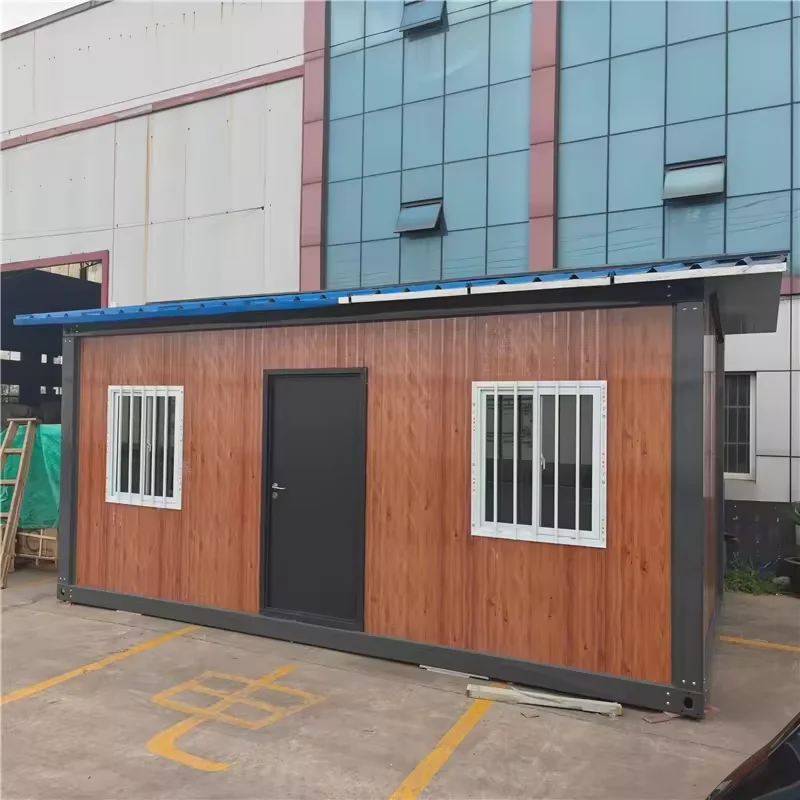
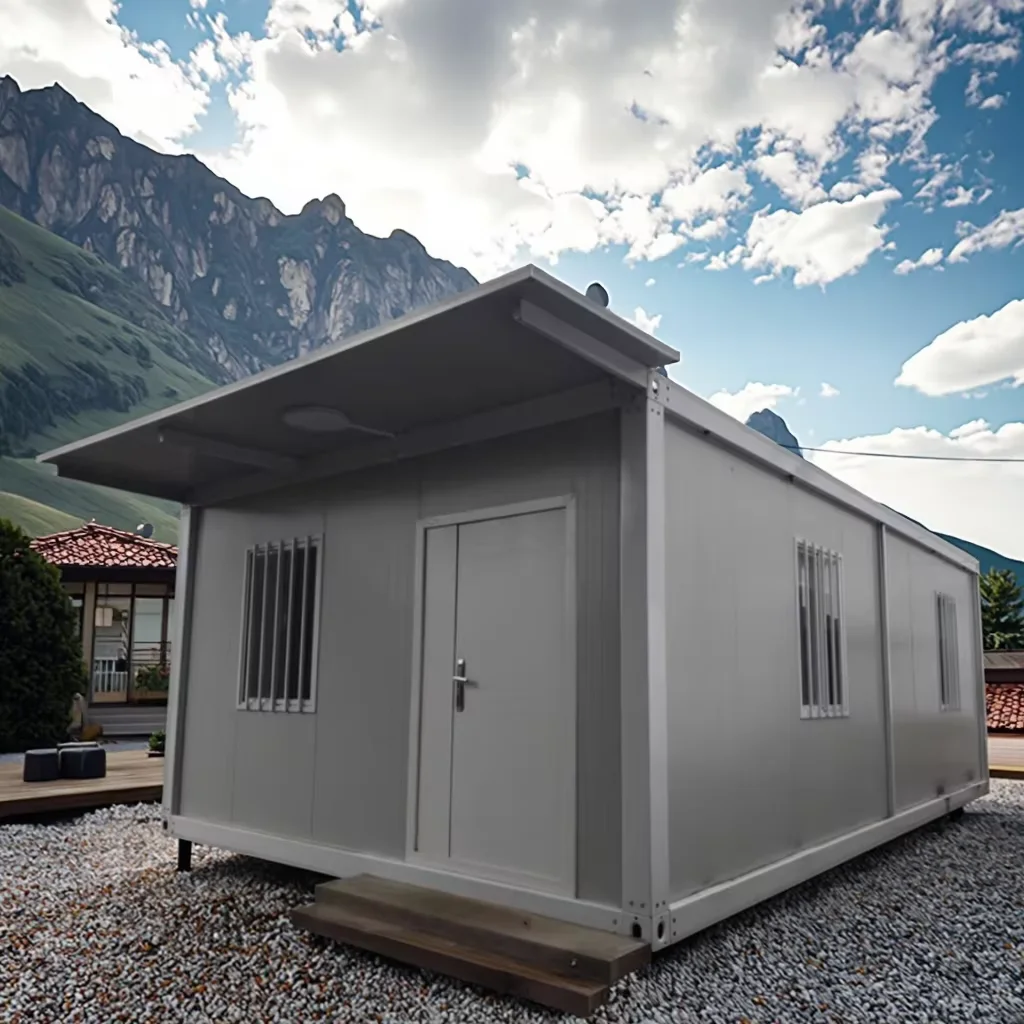
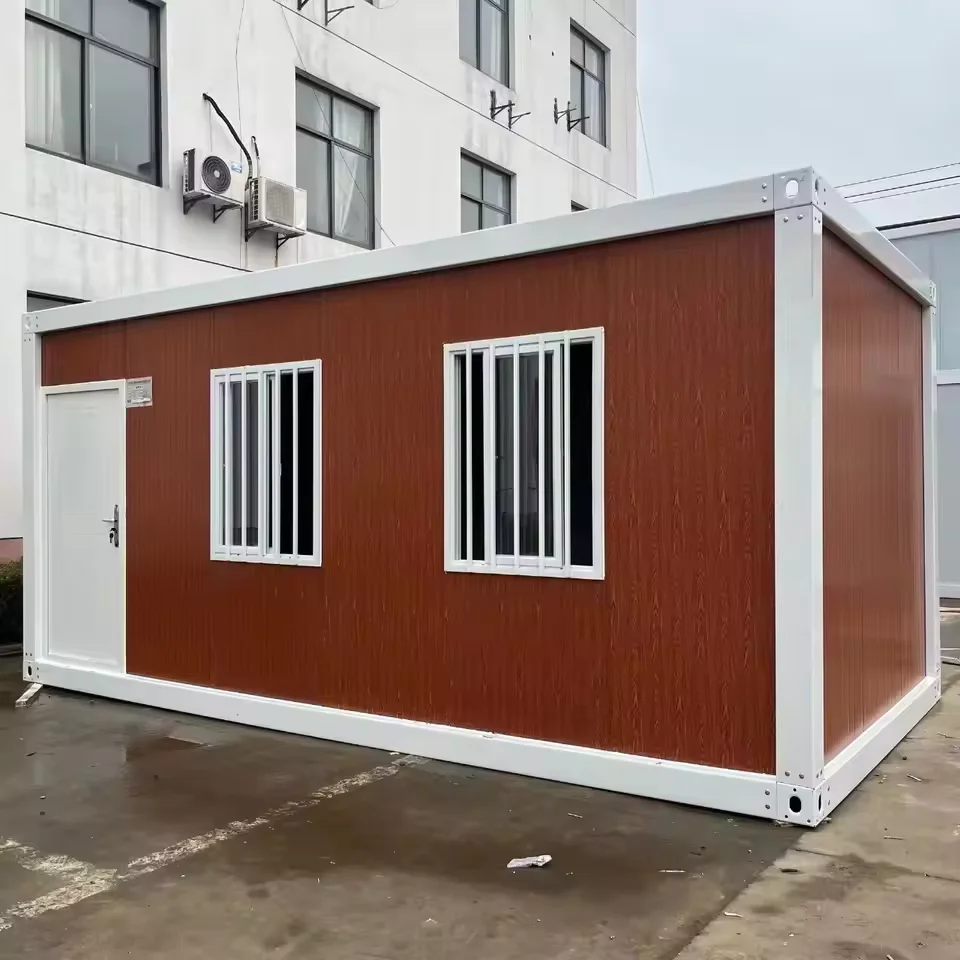
As the global demand for modular living and rapid-deployment housing continues to rise, export-grade container houses have become an increasingly preferred solution for both commercial and residential applications. International buyers today seek products that demonstrate structural integrity, flexible customization, efficient logistics, and long-term cost performance. This article provides an in-depth, professionally oriented guide to help overseas buyers evaluate and select the right export-grade container house for their project requirements.
2.Understanding Export-Grade Standards
2.1 Structural Requirements
Export-grade container houses typically adopt high-strength galvanized steel structures compliant with ISO shipping standards. A well-manufactured unit should withstand extreme temperature variations, wind loads exceeding 0.6 kN/m², and seismic activity up to Grade 7 or above. Buyers should request load-bearing test reports, wind-resistance certificates, and steel thickness data before confirming a supplier.
2.2 Material Quality and Global Compliance
Products intended for overseas markets must meet different regional specifications. For example:
Ensuring compliance with these regional standards minimizes installation risk and avoids local inspection issues.
3. Key Components to Evaluate
3.1 Steel Frame
High-quality export-grade container houses use Q235B or Q345B steel. Buyers should review:
3.2 Wall and Roof Panels
Insulated sandwich panels—often PU, EPS, or rock wool—play a significant role in heat resistance and fire safety. Buyers should compare:
3.3 Electrical and Plumbing Systems
Most reputable manufacturers adopt modularized, pre-installed electrical systems compatible with regional voltage requirements (110V/220V). For plumbing, PPR or PVC pipes with pressure-resistant joints should be used.
4. Customization Capabilities
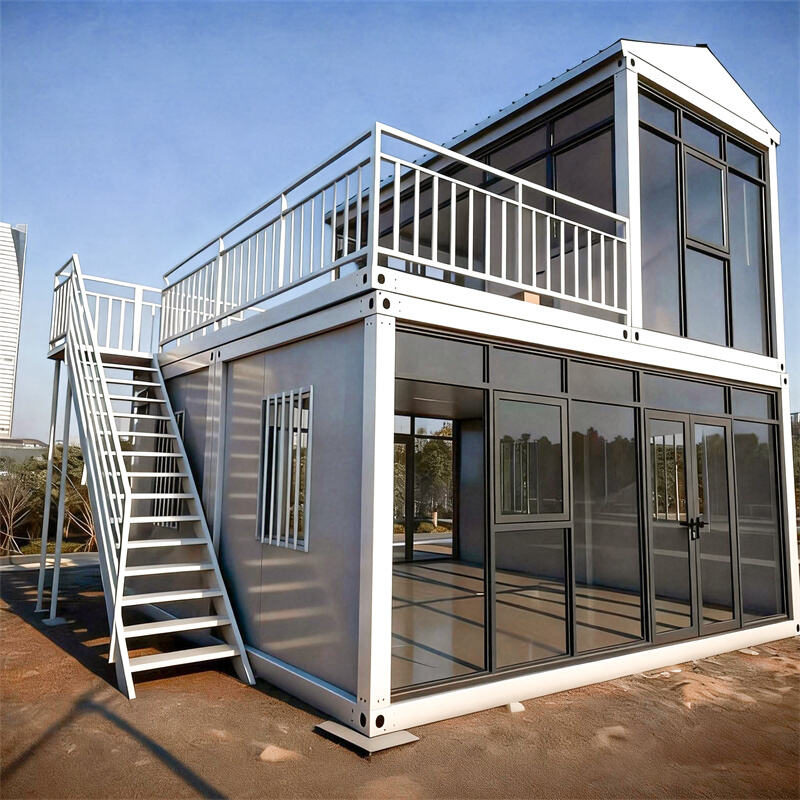
Modern container houses support extensive customization, including:
A reliable supplier will provide CAD drawings, 3D models, and project simulations for confirmation before production.
5. Logistics and Packaging Considerations
5.1 Space Optimization
To reduce freight costs, many container house units adopt flat-pack or foldable structures. A standard 40HQ container can load up to 6–8 flat-pack units depending on design.
5.2 Packaging Protection
Proper export packaging should include:
6. Conclusion
Choosing the right export-grade container house requires thorough consideration of structural performance, material quality, certification compatibility, and supplier capability. By focusing on measurable standards and professional evaluation practices, buyers can secure a reliable and durable modular housing solution for long-term use.
 Hot News
2025-11-20
2025-11-13
2025-11-06
 EN
EN