1. Introduction
As modular housing becomes increasingly important in global construction, both expandable container houses and traditional container houses are widely adopted by developers, contractors, and commercial project owners. Each model offers distinct structural, functional, and cost-related advantages. This article presents an official, comprehensive comparison to support informed procurement decisions.
2. Structural Design Differences
2.1 Traditional Container Houses
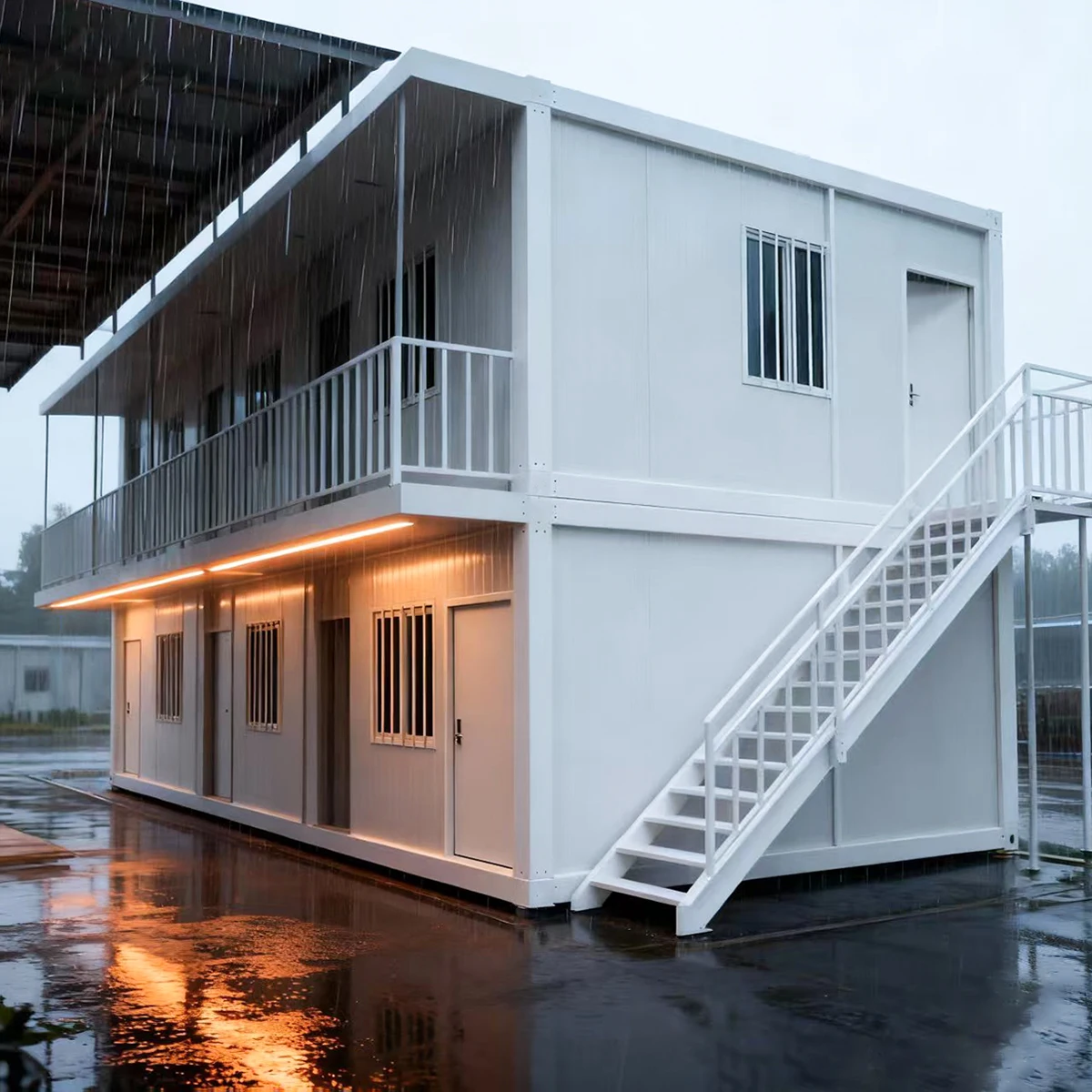
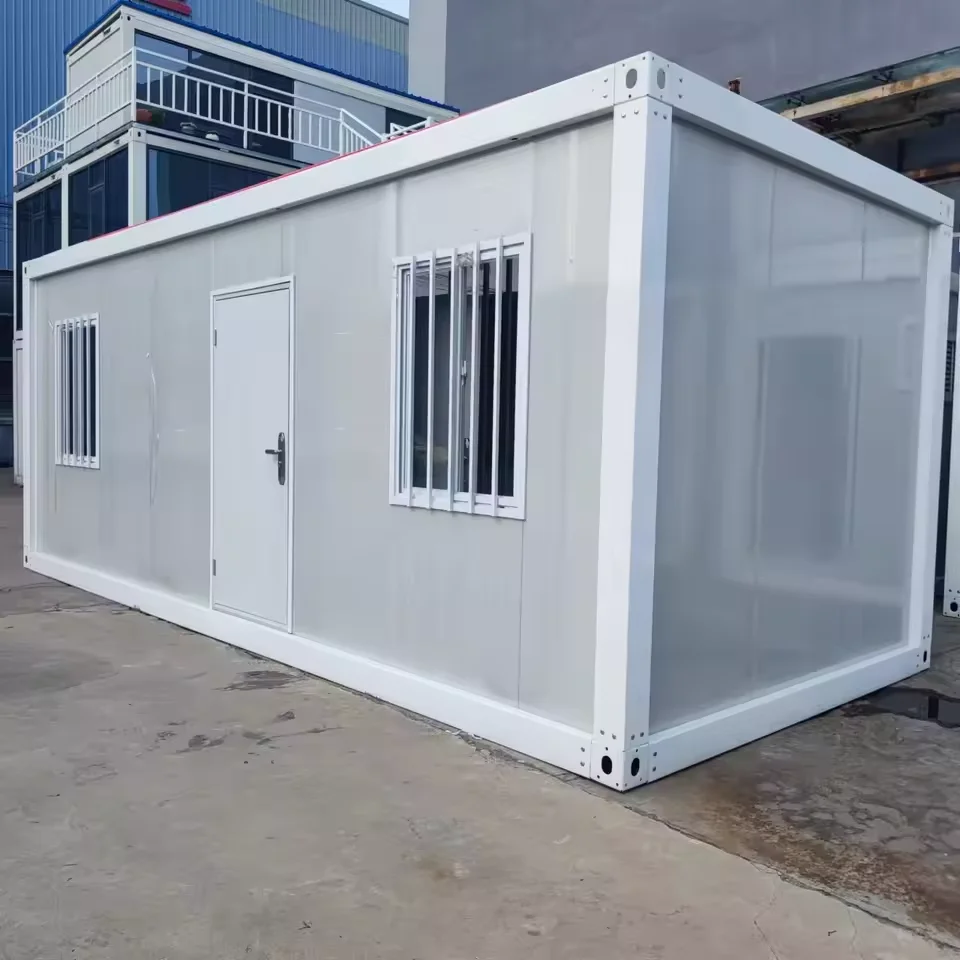
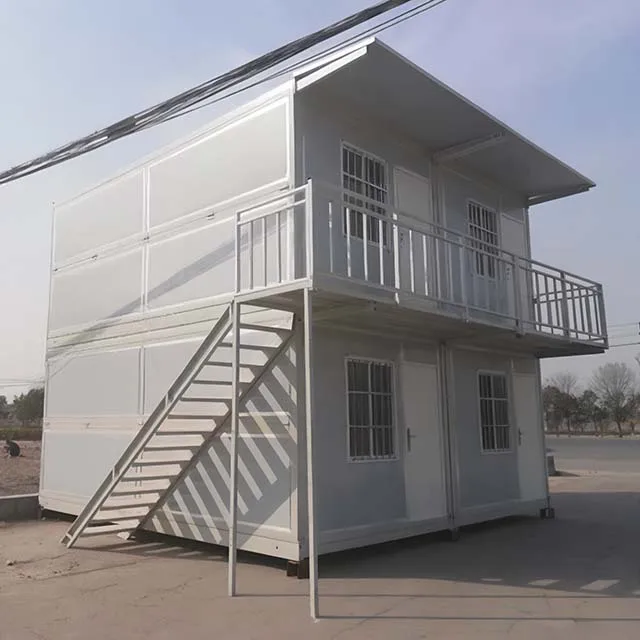
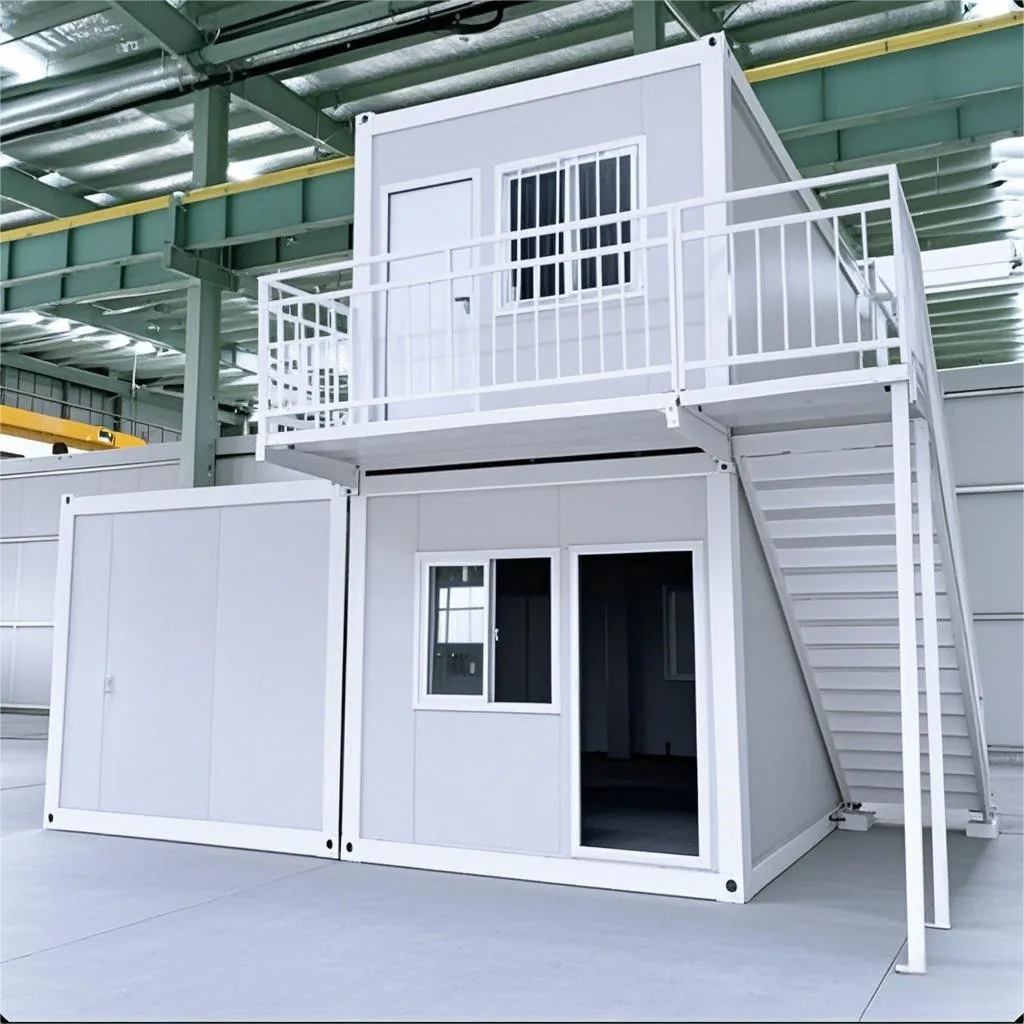
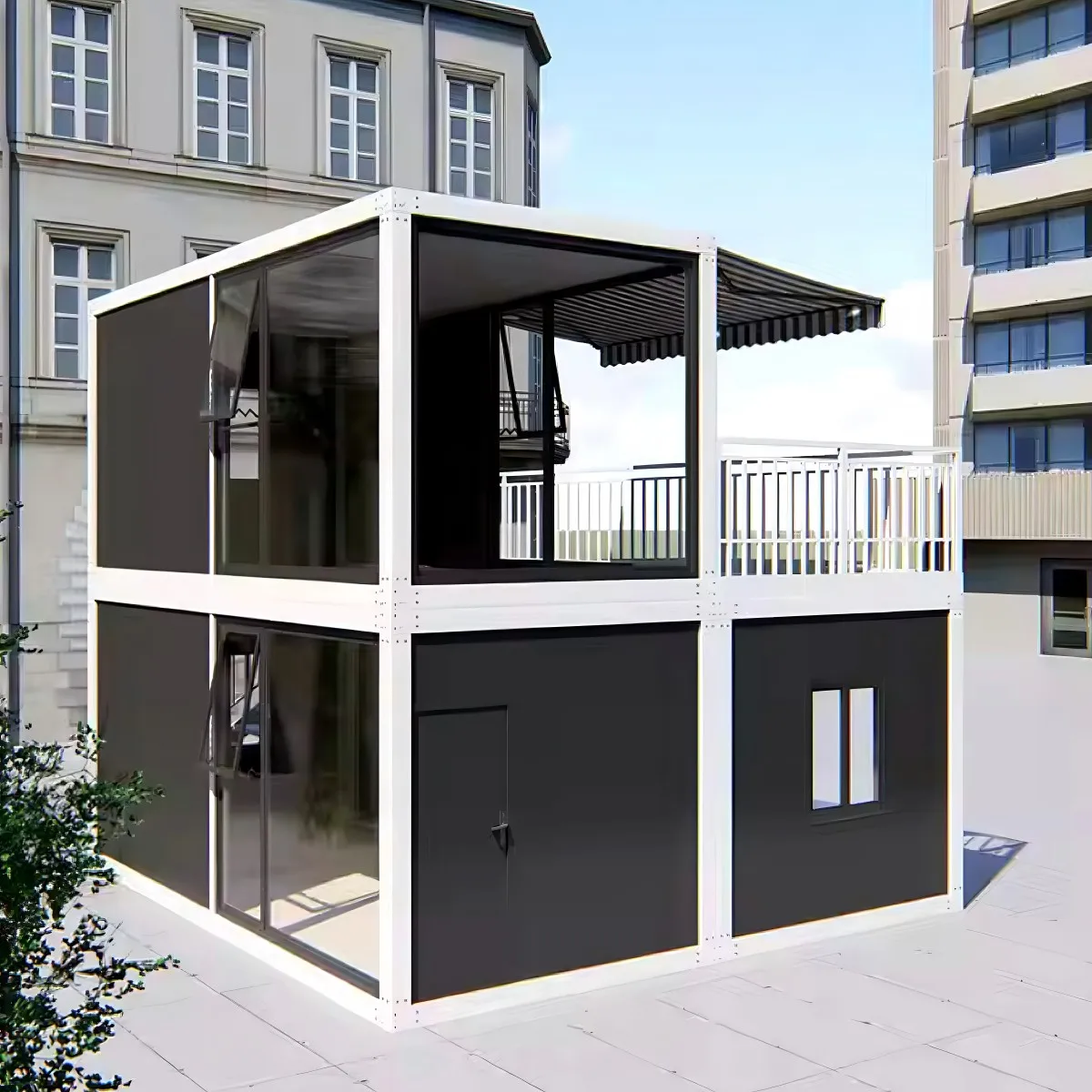
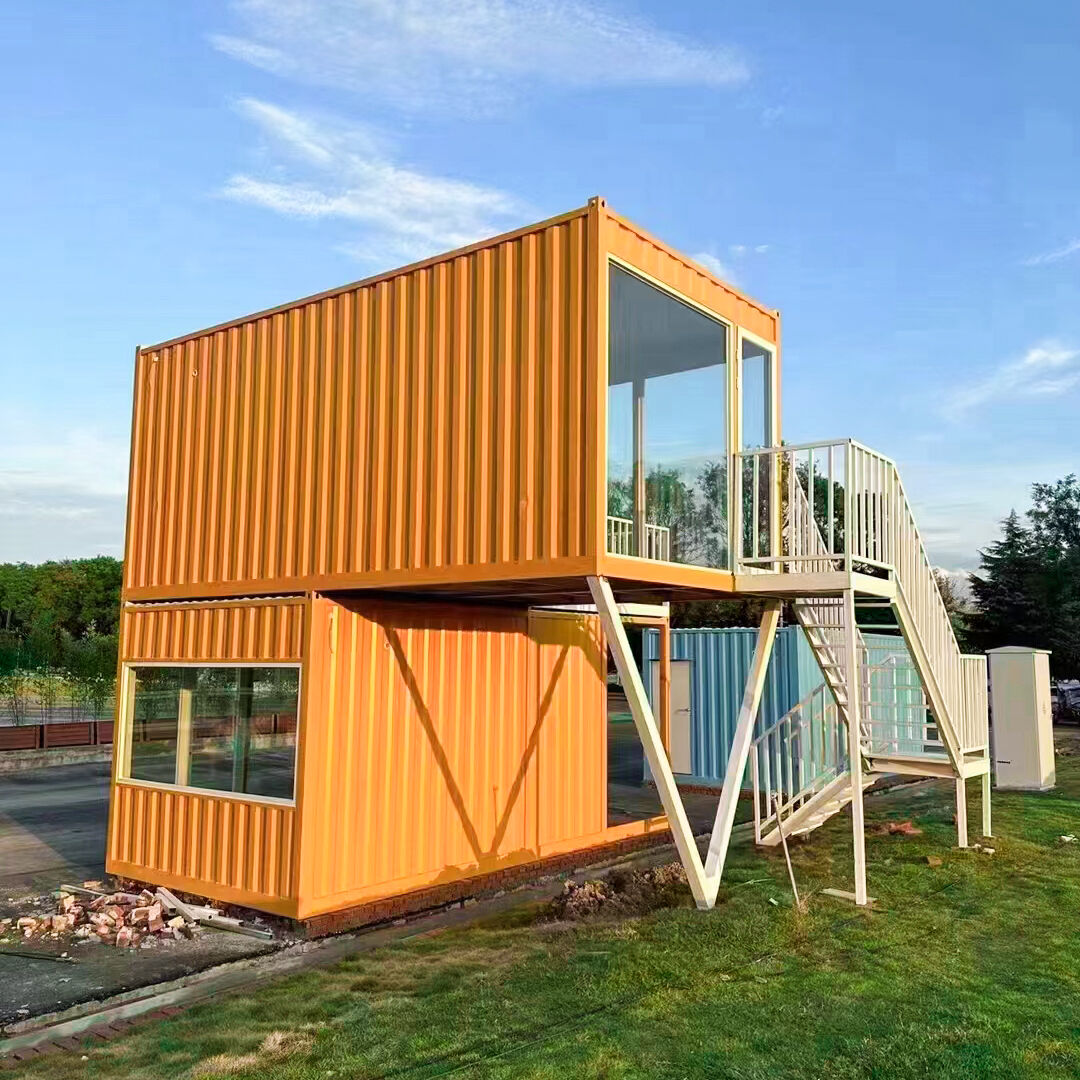
Traditional units use a fixed rectangular structure based on ISO shipping container concepts. Their advantages include:
They are commonly used for camps, worker accommodations, temporary offices, and storage rooms.
2.2 Expandable Container Houses
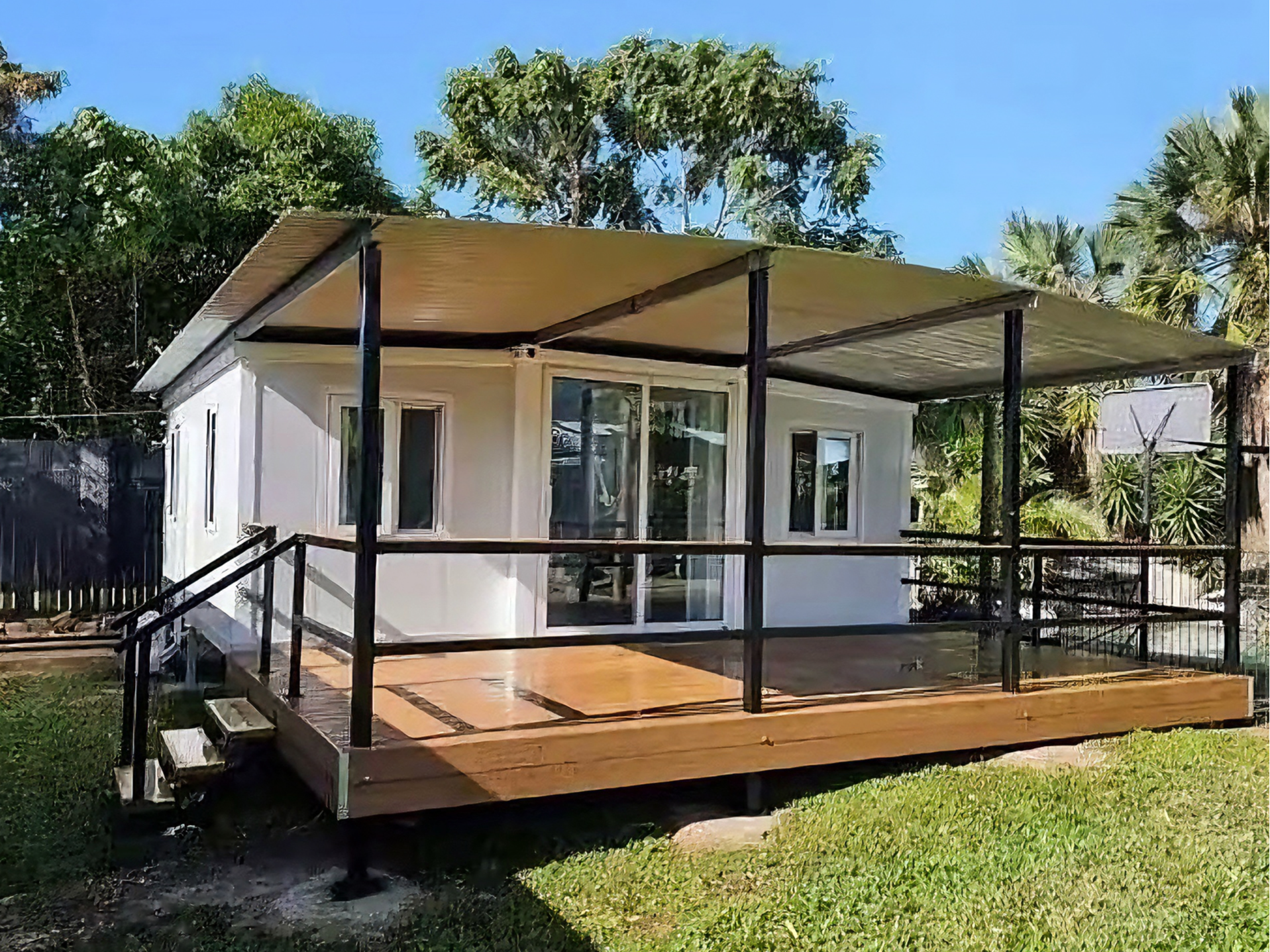
Expandable models feature hinged side wings that unfold into larger interior spaces. Key advantages:
3. Installation and Mobility Comparison
3.1 Traditional Container House
3.2 Expandable Container House
4. Cost Performance
4.1 Material and Unit Cost
Traditional units are generally more economical due to their simpler structure. Expandable units use reinforced panels, hydraulic hinges, and more complex wiring systems, making them higher in price but better suited for long-term living.
4.2 Transport Efficiency
Traditional units can be shipped as flat-packs to maximize container capacity. Expandable units require more volume but reduce on-site assembly cost.
5. Customization Capability
Expandable units offer richer custom design options:
Traditional units excel in modular combinations:
6. Application Scenarios
6.1 Traditional Houses
6.2 Expandable Houses
7. Conclusion
Both traditional and expandable container houses provide robust modular building solutions. Traditional models maximize cost efficiency and mobility, while expandable houses deliver superior comfort and interior space. Buyers should evaluate project goals, budget, and operational environment to choose the ideal option.
 Hot News
2025-11-20
2025-11-13
2025-11-06
 EN
EN