 EN


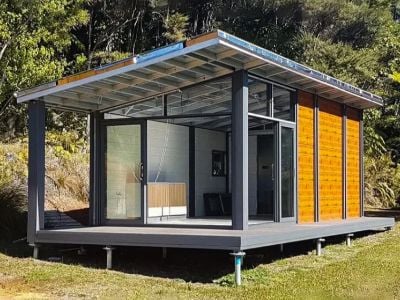
Building structures is a huge part of our world today. When companies build buildings, roads, or bridges, they usually choose between two main materials: steel and concrete. Both have their advantages and disadvantages. Companies like Xiemei understand these materials well and help clients make smart choices for their projects. In this article, we'll compare Steel Structure and concrete in terms of speed, strength, and sustainability
Speed of Construction
Steel buildings are known for their fast construction. Workers use steel parts that are already manufactured in factories, allowing them to assemble the structure quickly. For example, when building a new office, the beams are prepared in advance, so the construction team can start work immediately once they arrive on-site. This process saves a lot of time. Concrete, on the other hand, needs time to set and cure, which slows down construction. In some cases, workers have to wait days or even weeks before continuing the next stage. This delay can extend the project timeline. If time is an important factor, steel is often the better choice. Projects such as schools and hospitals that need to be completed quickly can benefit from steel construction
Strength and Durability
When it comes to strength, steel stands out. It is very strong and can easily support heavy loads. steel structure house and buildings can also be taller and more stable. Skyscrapers typically use steel because it can reach great heights while supporting multiple floors. Concrete is also strong, but it can crack under excessive pressure. This makes steel an excellent choice for structures that must withstand heavy use over a long period, such as bridges and stadiums. Xiemei understands how to use steel effectively to make buildings safer and longer-lasting. This durability gives companies confidence that their structures will remain reliable, which is essential for safety
Sustainability and Environmental Impact
Sustainability is another important factor when choosing building materials. Steel is recyclable, allowing old steel to be melted down and made into new products. This helps reduce waste and conserves natural resources. Concrete can also be reused to some extent, but its production generates significant dust and pollution. Xiemei focuses on using environmentally friendly materials whenever possible. Choosing steel can help reduce the demand for new raw materials, making it a more sustainable option for many construction projects
Factors to Consider When Choosing Wholesale Materials
When choosing between steel and concrete for wholesale construction materials, several factors should be considered. Steel is often selected for its speed. Since steel components are factory-made, builders can assemble structures quickly on-site, saving both time and labor costs. Concrete, however, requires additional time to set and cure before construction can continue. Strength is another key consideration. Steel is ideal for tall buildings and bridges because it can support heavy loads. Concrete is also durable, but it may crack if it is not properly mixed or poured. For smaller projects or locations where transporting steel is difficult, concrete may be a more practical option. Cost is also important. Steel usually has a higher upfront cost than concrete. However, because it speeds up construction and reduces labor expenses, it may be more cost-effective in the long run. At Xiemei, we recommend evaluating your project requirements, timeline, strength requirements, and budget before making a wholesale purchase
Construction Trends and Final Thoughts
On sustainability, both prefabricated steel frame houses and concrete have their strengths, but steel is generally considered the more environmentally friendly option. Steel can be recycled repeatedly without losing its strength, reducing waste and minimizing the need for new raw materials. Concrete is more difficult to recycle. Although it can be crushed and reused as gravel, much of it still ends up in landfills. Additionally, concrete production releases a significant amount of carbon dioxide. While steel manufacturing also produces emissions, its reusability makes it a more sustainable choice overall. Current construction trends also influence the choice between steel and concrete. One major trend is the demand for faster construction, encouraging businesses to choose steel because it allows projects to be completed more quickly. Another growing trend is sustainable construction, with more companies selecting recyclable and durable materials. Modern architectural designs featuring open spaces and large windows also favor steel because of its structural flexibility. At Xiemei, we stay updated on industry trends to help customers make informed decisions. Understanding market developments makes it easier to choose the right material for each project. Whether you prefer steel or concrete, selecting the right material based on your project's needs will lead to better wholesale construction outcomes.