 EN


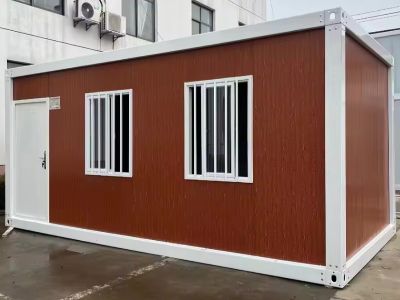
When it comes to modern housing solutions, foldable houses and detachable building have become two of the most popular options for buyers seeking flexibility and convenience. Foldable houses, such as those offered by Xiemei, are designed for quick installation, easy transportation, and efficient use of space, making them an excellent solution for temporary housing, construction sites, emergency shelters, vacation properties, and other fast-deployment applications. Expandable houses, on the other hand, provide the advantage of increasing their living space as needs grow, making them suitable for long-term residential use or families that require additional room over time. Each housing type offers unique benefits depending on the intended purpose, budget, and installation requirements. Understanding the differences between foldable and expandable houses can help wholesale buyers make informed purchasing decisions while selecting the best housing solution for their customers and projects
What Wholesale Buyers Need to Know
Wholesale buyers should carefully compare foldable houses and detachable tiny house options before making a purchase. Foldable houses from Xiemei are designed with durable materials that are lightweight, easy to transport, and quick to install, making them an excellent choice for businesses that require fast deployment or frequent relocation. They are generally more affordable than expandable homes, helping buyers reduce upfront costs while still receiving a dependable housing solution. Expandable houses, on the other hand, are better suited for long-term applications where additional living space may be required in the future. Buyers should also consider installation time, local building regulations, transportation requirements, and the intended purpose of the structure, whether it will be used for temporary accommodation, permanent housing, vacation properties, or rental units. Evaluating these factors allows wholesale buyers to choose the solution that best fits their business goals while ensuring compliance and long-term value
What Are the Key Benefits of Choosing Foldable Houses for Wholesale
Foldable houses offer several advantages that make them an attractive investment for wholesale buyers. Their biggest benefit is portability, allowing them to be transported and installed quickly in different locations with minimal labor and equipment. This makes them ideal for emergency housing, construction sites, tourism projects, and temporary accommodations. Compared to expandable houses, foldable homes usually have lower purchase and installation costs, giving buyers a more cost-effective solution. Many models also feature quality insulation that improves energy efficiency, helping reduce electricity consumption while maintaining indoor comfort. In addition, modern foldable houses from Xiemei are designed with attractive, contemporary appearances that appeal to customers looking for stylish yet practical living spaces. Their combination of affordability, convenience, energy efficiency, and attractive design makes them a smart wholesale option for businesses serving a wide range of housing needs
Foldable Houses vs. Expandable Solutions
Foldable houses and flat pack house both provide innovative housing solutions, but they are designed for different purposes. Foldable houses are built for maximum convenience, allowing them to be folded into compact units for transportation and unfolded within hours for immediate use. Their portability makes them ideal for temporary housing, disaster relief, work camps, and mobile living. Expandable houses begin with a compact footprint but can be enlarged by adding sections when more living space becomes necessary, making them better suited for growing families or long-term residential use. While foldable houses prioritize mobility and rapid deployment, expandable homes focus on flexibility and future expansion. Understanding these differences helps buyers select the housing option that best matches their intended application and customer requirements
How Foldable Houses Offer Superior Space Efficiency Compared to Expandable Options
Foldable houses maximize available space through their compact, efficient design. When not in use, they can be folded into a much smaller size, making transportation, storage, and shipping far more economical than traditional housing solutions. This makes them especially valuable in urban environments, remote locations, or projects where storage and transportation costs are major concerns. Their ability to occupy minimal space during delivery while quickly transforming into functional living areas provides excellent logistical advantages for wholesale buyers. Expandable houses require more permanent installation space because they must allow room for future extensions. Foldable houses from Xiemei also require fewer construction materials and often consume less energy during operation, making them both cost-effective and environmentally friendly. Their combination of portability, efficient space utilization, and reduced operational costs makes them an excellent solution for buyers who prioritize flexibility and efficiency
What Wholesale Buyers Should Consider When Comparing House Options
Wholesale buyers should evaluate several important factors before selecting between foldable and expandable houses. Cost is often the first consideration, with foldable houses generally offering lower purchase, transportation, and installation expenses than expandable alternatives. Buyers should also assess market demand to determine which type of housing best fits their target customers. Foldable houses appeal to clients seeking rapid installation, mobility, and temporary accommodation, while expandable homes attract buyers looking for long-term residences with room for future growth. Product quality is equally important, so buyers should verify the durability of materials, structural integrity, insulation performance, and overall safety of each model. Market trends, intended applications, maintenance requirements, and transportation logistics should also be considered before making a wholesale investment. By carefully comparing costs, quality, customer demand, and practical use cases, buyers can confidently choose Xiemei housing solutions that deliver strong value and long-term business success.