 EN
EN


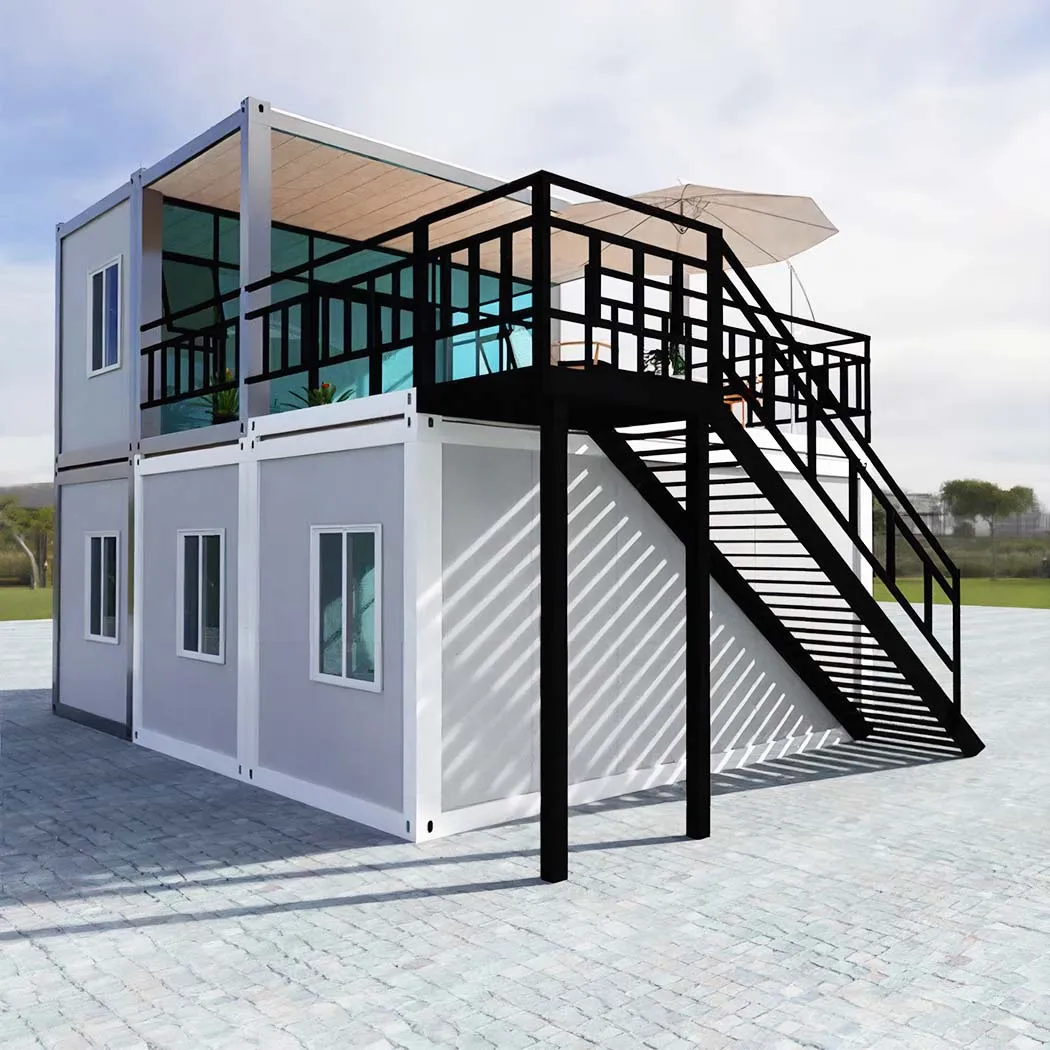
Building a Prefab House in Cold Climate: Think About Insulation Careful
Building a prefab house in a cold climate mean you needs to think careful about insulation. Good insulation keep your home warm in winter and cool in summer. It also help save energy and money. If you live in places where it get really cold, like some northern areas, you should use the best insulation ways. Our company, Xiemei, know how important it is to have a well-insulated home. This article will talk about the best insulation stuff for prefab homes in cold climates and how to choose the right energy-saving insulation for your needs.
Picking Right Insulation Materials for Your Prefab House
When it come to picking the right insulation materials, you want to think what will work best for your prefab house. Some of the best options include fiberglass, foam board, and spray foam. Fiberglass is popular because it cheap and easy to install. It come in batts or rolls, which can fit between the walls and ceilings of your home. Another good choice is foam board, which made from rigid foam. It strong and provide good insulation. You can use it on the outside of your house to keep cold air out. So, spray foam is a great pick if you want to fill every little gap and crack. It expand when applied, which mean it can cover all those hard-to-reach spots. However, spray foam can be a bit more expensive than the other ones. Xiemei recommend using these materials to make sure you have a warm and cozy home during the cold months.
How to Choose Energy-Efficient Insulation for Cold Climates
Choosing energy-efficient insulation is about more than just pick a material. You also need to think about how much insulation you need. Look at the R-value, which tell you how well the insulation resist heat flow. The higher the R-value, the better the insulation. For cold climates, you should aim for insulation with a higher R-value, like R-30 or R-38 for your attic. It also essential to think where you will put the insulation. Make sure to insulate the walls, roof, and floors. Xiemei suggest hiring a professional to help with installation because they can ensure everything done correctly and safe. In addition, consider the local climate and any building codes. Sometimes, you might need to use specific materials or methods to comply with local rules. This can help you save energy and keep your home comfortable. Remember, the goal is to keep the warmth inside and the cold outside.
How to Maximize Energy Savings with Proper Insulation in Prefab Homes
When it get cold outside, we all want to stay warm inside our homes. One great way to keep the heat in and the cold out is by using good insulation. For prefab homes, which built in a factory and then taken to a site, proper high quality prefab homes is very important, especially in cold climates. Insulation act like a warm blanket for your house. It help to keep the warm air inside during winter and the cool air inside during summer. This mean that your home will be comfy all year round without using too much energy.
At Xiemei, we believe that using the right type of insulation can greatly improve energy savings. One way to do this is to choose insulation that has a high R-value. The R-value measure how well the insulation can resist heat flow. The higher the R-value, the better the insulation. For cold climates, it best to use insulation with an R-value of at least 30 in the walls and about 49 in the attic. This help keep the warmth inside where you need it most.
With this, in addition to choosing good insulation, it also important to seal any gaps or cracks in your home. Even a small crack can let cold air in and warm air out, which mean your heating system has to work harder. Using weather stripping and caulking around windows and doors can help. Another tip is to insulate the basement and crawl spaces. These areas can lose a lot of heat if they not insulated properly. By following these tips, you can keep your prefab home cozy and save money on energy bills at the same time.
Best Practices for Installing Insulation in Cold-Climate Prefabs
Installing insulation in prefab homes is a crucial step in making sure the house is warm and energy-efficient. There are some best practices to follow to make sure the energy efficient prefab homes do its job right. First, it important to install the insulation correctly according to the manufacturer instruction. For example, if you using fiberglass insulation, make sure to wear protective gear like gloves and masks because the tiny fibers can irritate your skin and lungs.
At Xiemei, we recommend using batts or rolls of insulation for walls and loose-fill insulation for attics. When installing batts, make sure they fit snugly between the studs without any gaps. If the insulation too loose, it won’t work as well to keep the heat in. When it come to the attic, make sure to cover all areas evenly, paying special attention to the corners and edges. Loose-fill insulation can be blown in, which fill all the nooks and crannies and create a better seal.
And another important practice is to include a vapor barrier. This a special material that help prevent moisture from getting into the insulation. In cold climates, moisture can freeze and cause problems like mold or water damage. The vapor barrier should be placed on the warm side of the insulation, which usually the inside of your home. Lastly, don’t forget to check local building codes. Some areas have specific rules about insulation, and it best to follow these to ensure your prefab home is safe and energy-efficient.
Benefits of Upgrading Insulation in Cold Climate Prefab Houses
Upgrading insulation in prefab homes has many great benefits, especially in cold climates. First, better pre manufactured house keep your home warmer in winter. When your house warm, you feel more comfortable, and you can enjoy spending time with family and friends. No one likes being cold inside their own home! By upgrading insulation, you can also reduce the amount of energy you use. This mean you won't have to turn up the heat as much, which can help lower your energy bills.
At Xiemei, we understand that saving money is important for families. When you upgrade your insulation, you might notice that your heating bills decrease. This savings can add up over time, helping you to spend money on other things you love. Another benefit of better insulation is that it can help the environment. When you use less energy to heat your home, you also reducing the amount of fossil fuels burned, which better for our planet.
That’s why, furthermore, upgrading insulation can increase the value of your prefab home. If you ever decide to sell your house, potential buyers will be interested in energy-efficient homes. They know that better insulation mean lower bills and a more comfortable living space. Lastly, good insulation can also help reduce noise from outside. If you live in a busy area, upgraded insulation can help keep your home peaceful and quiet. Overall, upgrading insulation bring many advantages that make your home a better place to live.
Table of Contents
- Picking Right Insulation Materials for Your Prefab House
- How to Choose Energy-Efficient Insulation for Cold Climates
- How to Maximize Energy Savings with Proper Insulation in Prefab Homes
- Best Practices for Installing Insulation in Cold-Climate Prefabs
- Benefits of Upgrading Insulation in Cold Climate Prefab Houses